Donor: New England Biolabs Foundation (NEBF)
Project Cost: $60, 500
Project Period
The project was successfully implemented over a 24-month period, from November 2019 to November 2021.
Overview
This initiative focuses on preserving the ecological integrity and cultural heritage of the Togbe Weto Sacred Site in Goviefe Todzi, aiming to enhance community welfare and establish resilient, alternative livelihoods for local populations. It represents a strategic expansion of the successful foundational project “Assessment, Documentation, and Biological Inventory of Sacred Sites in the Kpeve Agate Cluster of the Weto Mountain Range Ecosystem.”
To scale this impact, ARDO will engage fringe communities, state agencies, and local caretakers to restore the grove, conserve biodiversity, and promote its medicinal, cultural, and tourism potential. Through stakeholder workshops, fire-fighting training for the youth, and the establishment of a restoration tree nursery, the project will foster sustainable management while placing the site on Ghana’s tourism map. Crucially, the entire grove will be demarcated and mapped to secure its boundaries and ensure long-term documentation.
Project Objectives
The project aimed to:
- Preserve and protect the Togbe Weto Sacred Grove through community engagement, boundary demarcation and wildfire prevention efforts.
- Strengthen local livelihoods, particularly for women and youth, through alternative income-generating activities such as small ruminant rearing and vegetable farming.
- Promote community understanding and support for the sacred grove’s conservation by incorporating indigenous knowledge into the project’s strategies.
- Increase youth involvement in the preservation of the sacred site to ensure long-term sustainability.
Key Achievements
i. Community Engagement and Sensitization:
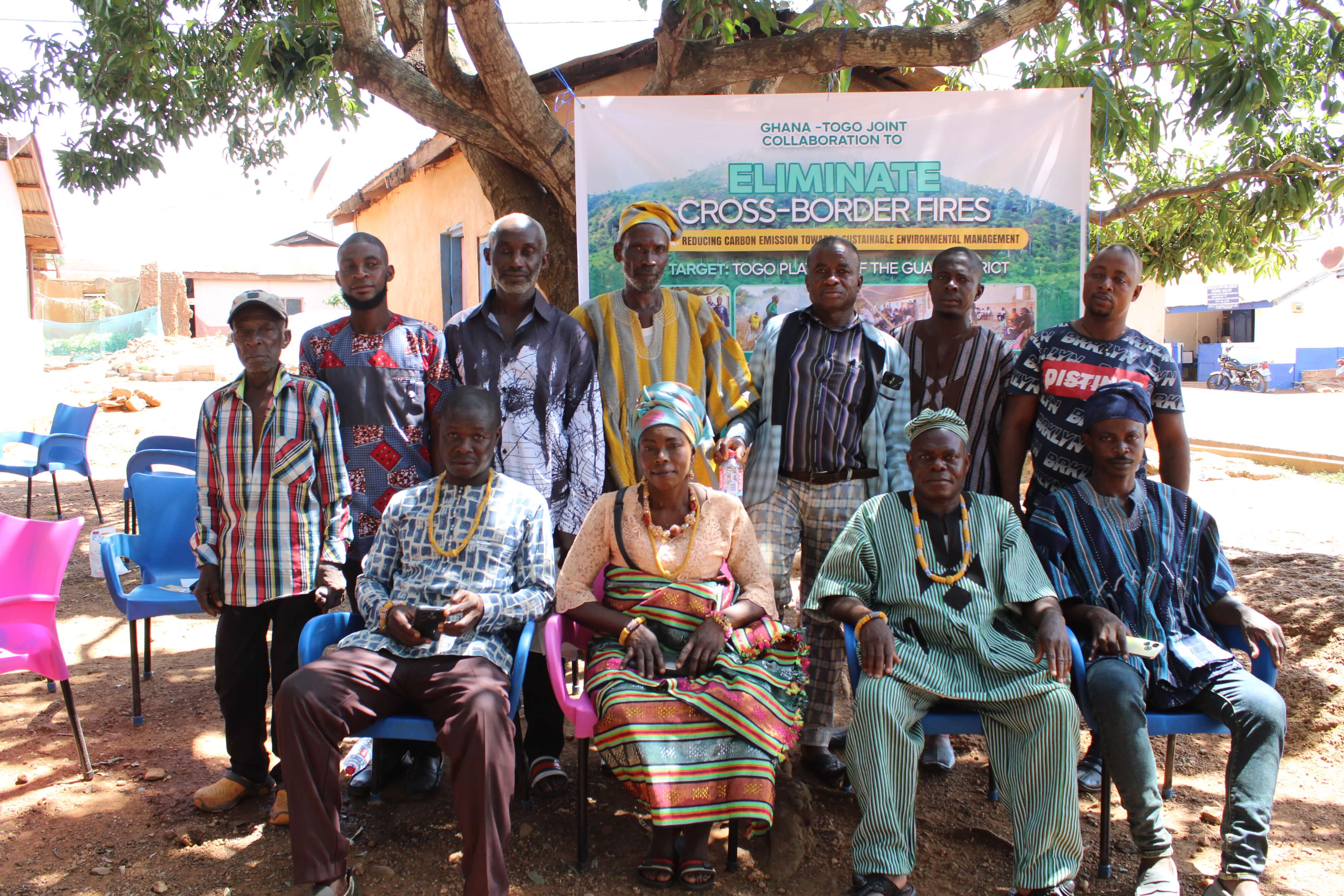
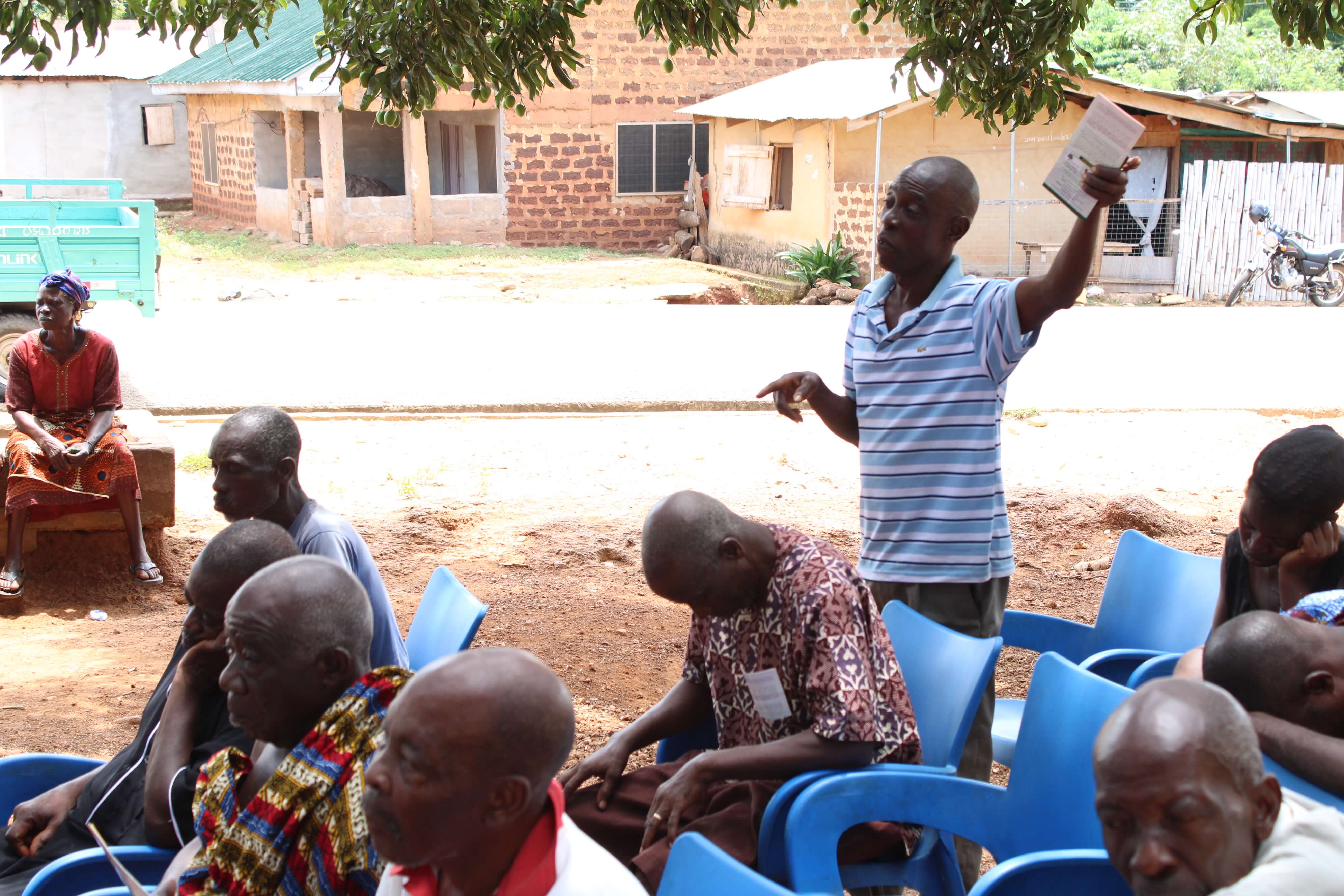
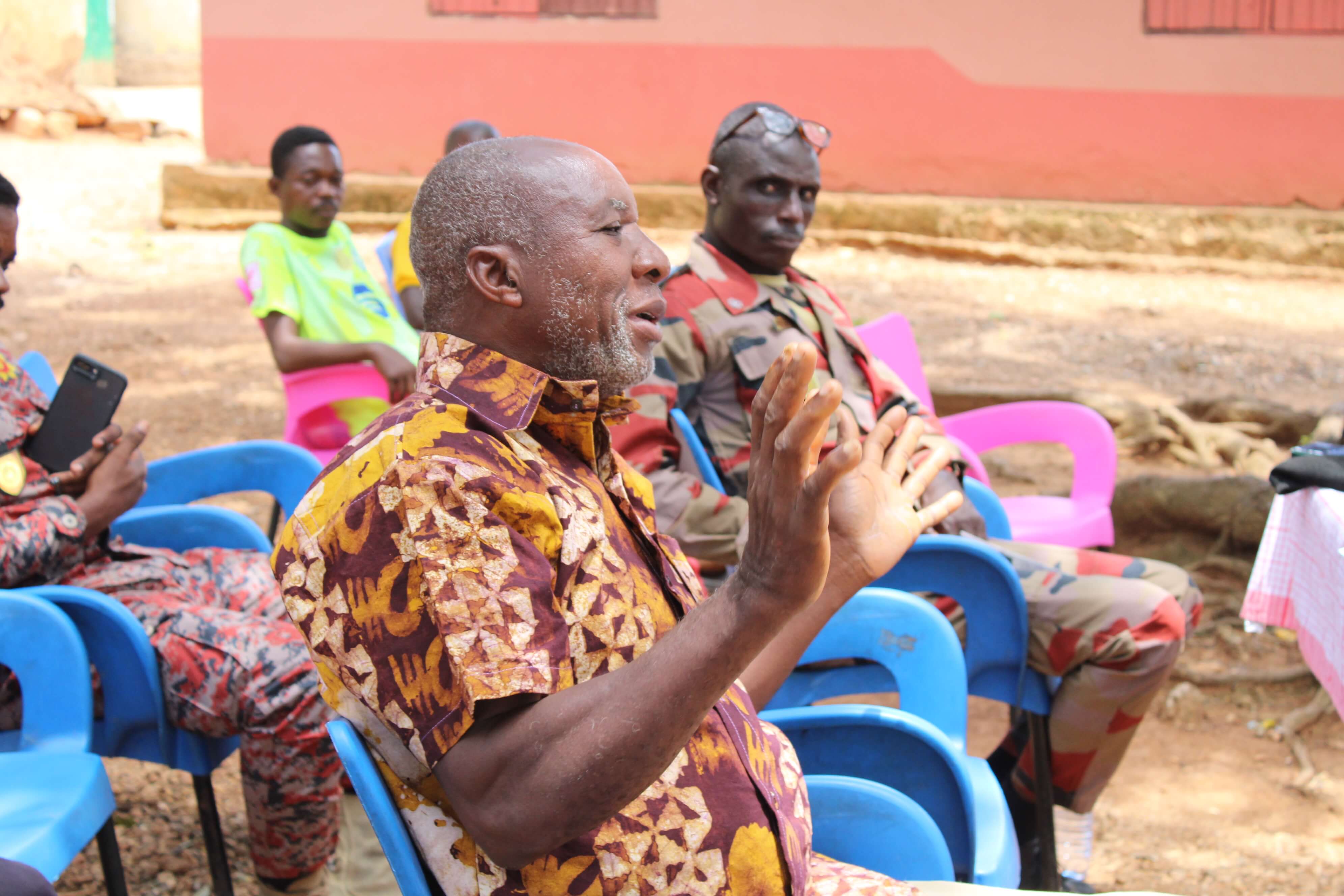
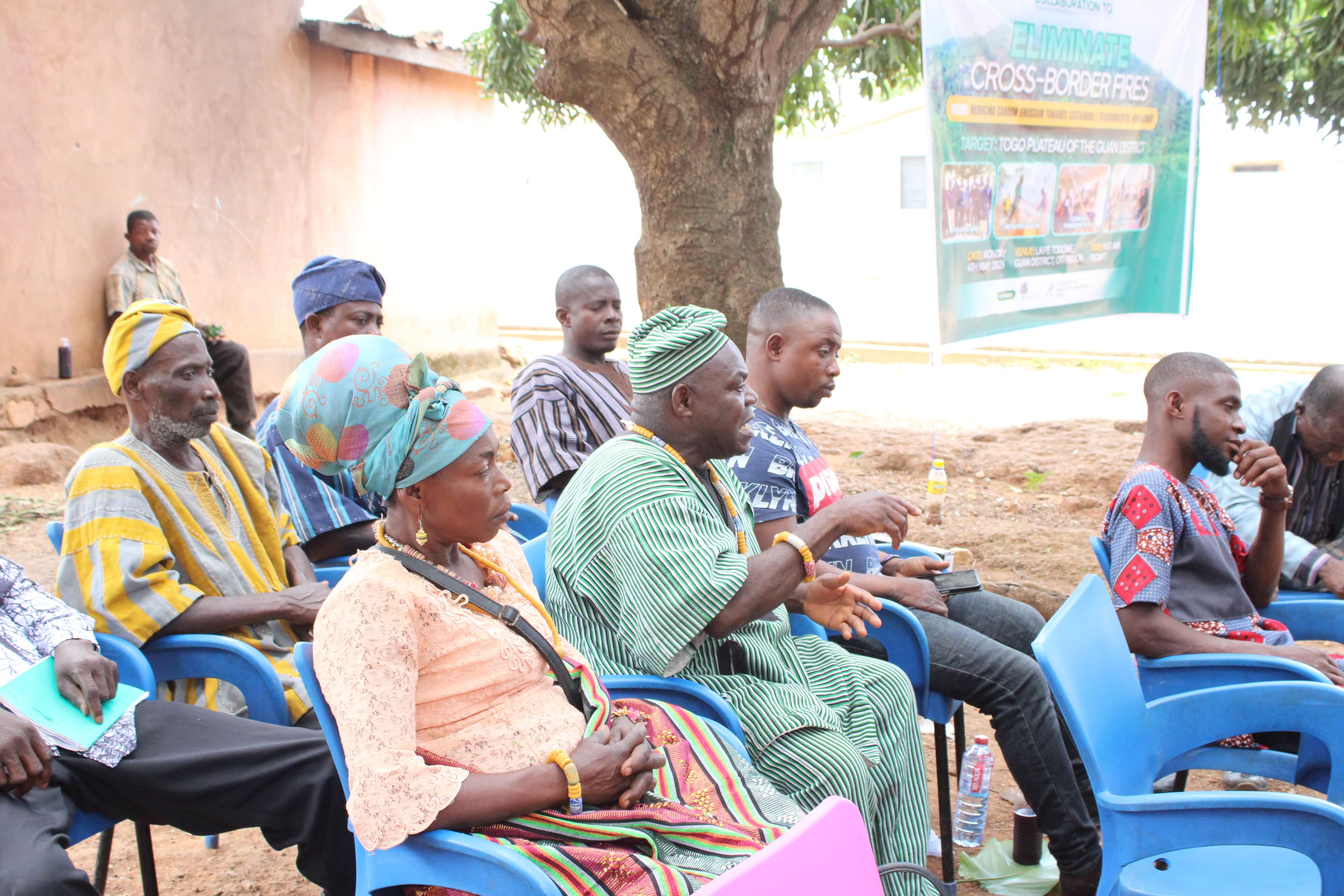
District-level meetings were held to brief stakeholders on the project and gather their input. These meetings successfully raised awareness among landowners and surrounding communities about the cultural and ecological importance of the sacred grove. The initiative fostered greater participation from the youth, who are now more committed to preserving the site.
ii. Trail Development and Site Accessibility:
A trail was developed around the sacred grove to facilitate cultural education and environmental awareness. The project team, led by the Asafoates of Agodome, marked the path and engaged community members in the construction process. This initiative also strengthened the sense of pride and ownership within the community.
iii. Boundary Demarcation and Documentation:
The sacred grove, covering 69.4 acres, was officially demarcated and documented using GPS technology. A common plant was designated as the boundary marker, which contributed to the long-term protection of the area.
iv. Alternative Livelihoods:
In response to community needs, the project introduced small ruminant rearing and dry-season vegetable farming in Goviefe Todzi and surrounding areas. These initiatives have provided new sources of income and improved food security for local families.
v. Youth Involvement and Cultural Education:
The project has helped bridge the gap between the younger generation and the sacred site. Many youths now visit the grove, learn from the caretakers, and actively participate in its protection. They have also embraced indigenous conservation practices, which are viewed as both cost-effective and culturally resonant.
Lessons Learned
- Integrating traditional ecological knowledge with modern conservation efforts enhances local ownership and reduces tensions between government strategies and community practices.
- Alternative livelihoods can significantly reduce pressure on natural resources, while empowering local communities.
- Engaging youth in conservation efforts ensures the long-term sustainability of environmental and cultural preservation.
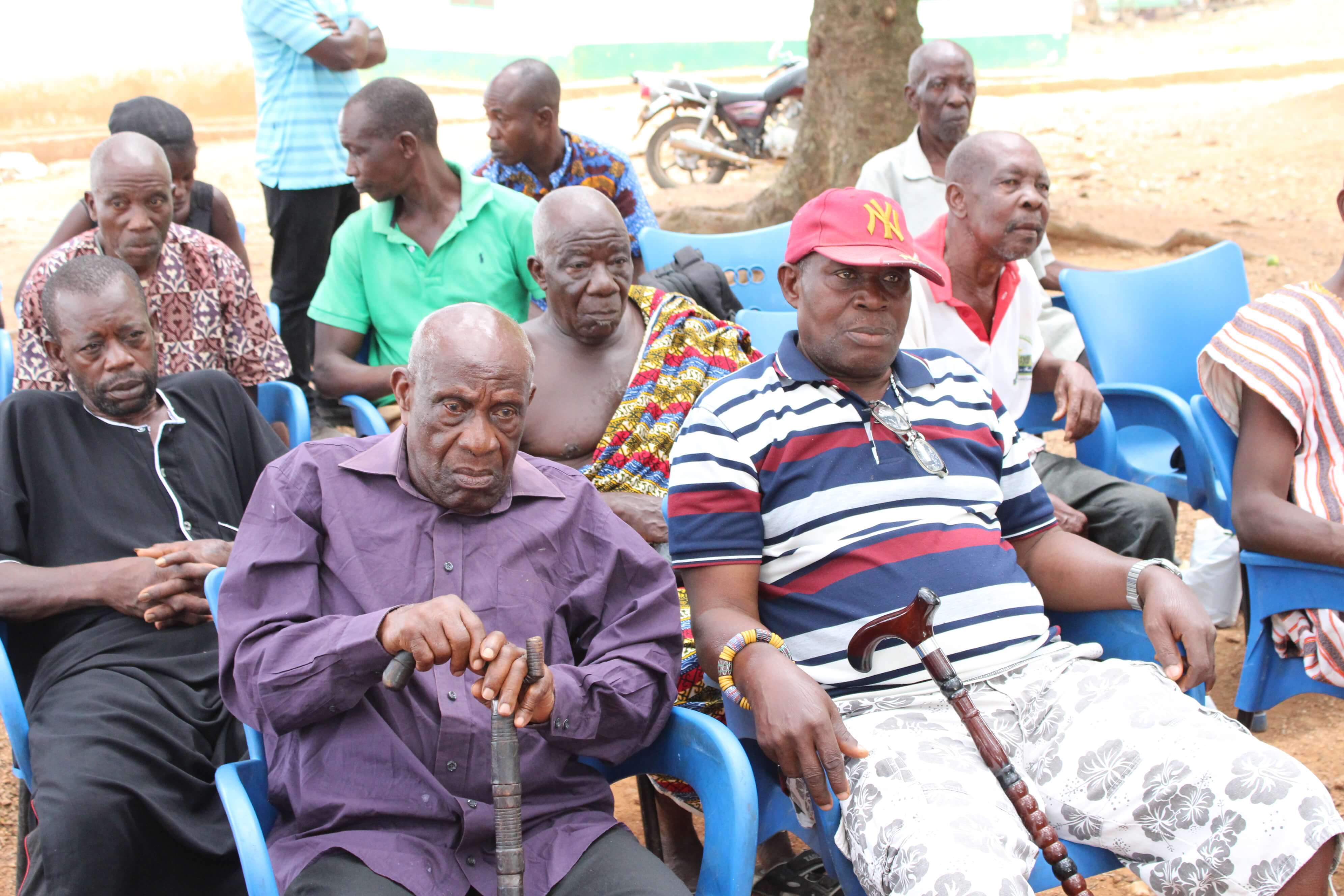
- Collaboration among community leaders, chiefs, and elders fosters greater cohesion and support for conservation initiatives.
Beneficiary Communities
- Goviefe Todzi
- Goviefe Agodome
- Goviefe Korwu
- Goviefe Dudome
- Woadze
- Kpale Ga
- Kpale Xorse
Photo Highlights
 Ghana delegation