Project Cost: $13,000
Donor: UNDP GEF Small Grant
Project Period
The project was successfully implemented over a 12-month period, from August 2024 to July 2025.
Overview
The Accelerated Rural Development Organization (ARDO), with support from the New England Biolabs Foundation is leading a project aimed at promoting environmental sustainability, tourism, and livelihood support in the Guan District of Ghana. The initiative focuses on biodiversity conservation, ecosystem restoration, and the enhancement of local economic opportunities, with an emphasis on the Togo Plateau landscape. The project seeks to consolidate previous environmental efforts, expand educational outreach, and deepen community engagement in conservation practices while promoting sustainable tourism.
Project Objectives
The main objectives of the project are as follows:
- Restore and enhance ecosystem services in the Guan District.
- Promote eco-tourism by publicising and increasing patronage of the Likpe Ancestral Caves and Wadzakli Falls.
- Improve livelihoods through dry-season organic vegetable production and training in sustainable farming practices.
- Strengthen community knowledge and practices in biodiversity conservation and environmental stewardship.
Key Achievements
i. Ecosystem Restoration and Conservation:
- Restoration of degraded landscapes and protection of Indigenous Community Conserved Areas (ICCAs) and Other Effective Area-Based Conservation Measures (OECM).
- Establishment of a tree nursery, with 10,000 seedlings raised for reforestation efforts along water bodies and critical ecosystems.
- Training and equipping of fire volunteer groups, which helped mitigate the spread of wildfires and protected sacred site
ii. Ecotourism Development:
- Increased awareness and patronage of the Likpe Ancestral Caves and Wadzakli Falls as tourist destinations.
- Refresher training for local tour guides and the development of promotional materials, including flyers and media campaigns, to boost ecotourism in the region.
iii. Economic Empowerment and Livelihood Enhancement:
- Training of farmer groups in organic vegetable production, with a focus on dry-season farming and sustainable agricultural practices.
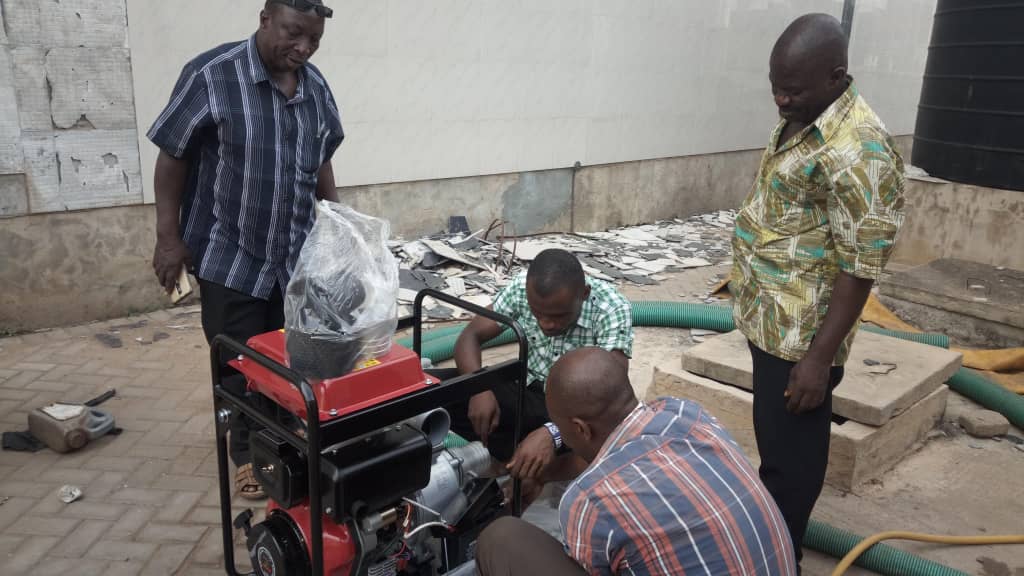
- Provision of irrigation systems and farm management tools to improve farming efficiency and income generation.
iv. Community Education and Engagement:
- Five radio discussions and four community fora held to raise awareness about climate actions, biodiversity conservation, and ecotourism.
- Extensive use of media platforms for continued education, engagement, and outreach on project activities.
Lessons Learned
- Traditional knowledge and cultural practices remain powerful tools for conservation when communities are empowered to reclaim and apply them.
- Youth engagement in fire prevention, organic farming and ecotourism is essential to ensuring long-term sustainability of environmental gains.
- Coordination between parallel projects in the same geography strengthens outcomes and prevents duplication of effort.
- Livelihood interventions that reduce dependence on synthetic inputs and destructive land practices create a mutually reinforcing relationship between economic wellbeing and ecological health.
- Consistent media engagement multiplies project impact by reaching communities beyond the immediate project area.
Beneficiary Communities
The project directly benefited the following communities within the Guan District:
- Likpe Todome
- Likpe Bala
- Lolobi Ashiambi
- Kukurantumi
Adjacent communities such as Mate, Bakua, Dzolu, Ayoma, and Abrani also participated in and benefited from the project’s activities.
Photo Highlights