Overview
This project focused on improving the flow of ecosystem services in the Togo Plateau Range through livelihood enhancement activities. It targeted communities within the Guan District and aimed to strengthen environmental management while supporting local livelihoods. The projected was implemented with support from the New England Biolabs Foundation (NEBF). The work centered on restoring biodiversity, improving sustainable livelihoods, promoting fire prevention, and increasing community participation in environmental conservation.
Project Objectives
The project aimed to:
- Restore biodiversity by replanting native tree species and supporting community-led nurseries.
- Support livelihood improvement through sustainable agriculture practices, including organic farming and dry-season vegetable production.
- Promote fire prevention through the establishment of fire volunteer groups and enhanced community awareness on fire management.
- Empower community members by training local youth in agricultural value chains such organic farming, marketing, and farm management.
Key Achievements
Biodiversity Conservation
Community forums were held in beneficiary communities including Likpe Bakua, Mate, and Lolobi Kumasi. These sessions raised awareness on climate change and the role of biodiversity conservation. Indigenous tree nurseries were established along the Wadjakli stream and nearby areas. The nurseries supported vegetation recovery and helped reduce deforestation.
Fire Prevention and Management
Fire prevention was a core focus of the project. Two fire volunteer groups were revitalized and led community campaigns on fire management. No fire outbreaks were recorded in the project area during the implementation period. Youth participation strengthened the long-term sustainability of these efforts.
Livelihood Enhancement
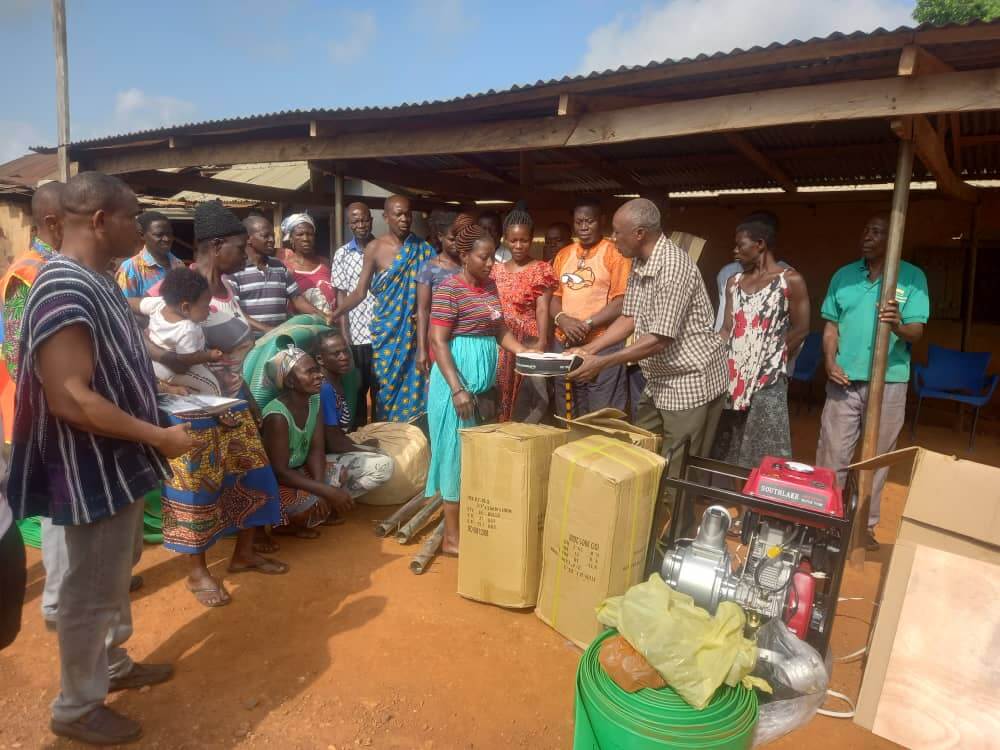
Sustainable farming techniques such as organic vegetable production and multi-cropping were promoted. Dry-season irrigation systems were introduced to support all-year farming. Community members received training in farm management and marketing with an emphasis on organic practices. Income from these activities helped reduce poverty, especially among women and youth.
Community Engagement and Sensitization
Community Environment Management Committees (CEMCs) were formed and supported to sustain activities beyond the project period. Community members received sensitization on COVID-19 protocols and were provided with Personal Protective Equipment (PPEs). The committees later operated independently, strengthening local ownership of conservation work.
Lessons Learned
- Community ownership is key to sustaining environmental conservation efforts.
- Engaging the youth in sustainable practices, such as fire prevention and organic farming, has been crucial for ensuring long-term project success.
- Engaging youth in fire prevention and organic farming is crucial for ensuring long-term project success.
- Livelihood interventions reduce pressure on natural resources and support economic resilience.
Beneficiary Communities
- Likpe Bala
- Likpe Bakua
- Likpe Mate
- Lolobi
- Santrokofi