Overview
This project focuses on the conservation and sustainable management of sacred groves in the Weto Landscape within the Afadzato South area of the Volta Region. Supported by the UNDP Global Environment Facility Small Grants Programme, the initiative aims to enhance biodiversity, support local livelihoods, and restore degraded groves. It also builds on earlier work in the landscape and contributes to long-term environmental stewardship.
Project Objectives
The project aimed to achieve the following objectives:
- Document and characterize the sacred groves within the South Afadzato socio-ecological production landscape for policy formulation and management.
- Promote the enrichment planting and natural regeneration of sacred groves that are severely degraded.
- Strengthen the capacity of Traditional Health Practitioners (THPs) to improve the processing, packaging, and certification of medicinal products.
- Support smallholder women farmers in the Weto Landscape to improve their economic wellbeing through livelihood enterprises such as beekeeping, small ruminant rearing, and piggery.
Key Achievements
Sacred Grove Mapping and Documentation
All sacred groves in the landscape were mapped and documented. The process involved traditional leaders, landowners, women, youth, and traditional health practitioners. Traditional norms and practices guiding grove management were recorded. The documentation will support policy development and guide future restoration work.
Indigenous Seedling Planting
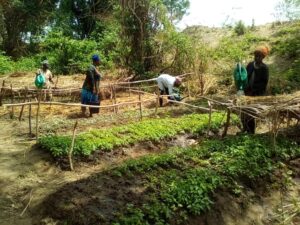
Local communities raised and planted 100,000 plus indigenous seedlings to enrich 13 sacred groves and four herbaria across the Weto Landscape. This effort helped restore near-extinct medicinal species.
Capacity Building for Traditional Health Practitioners
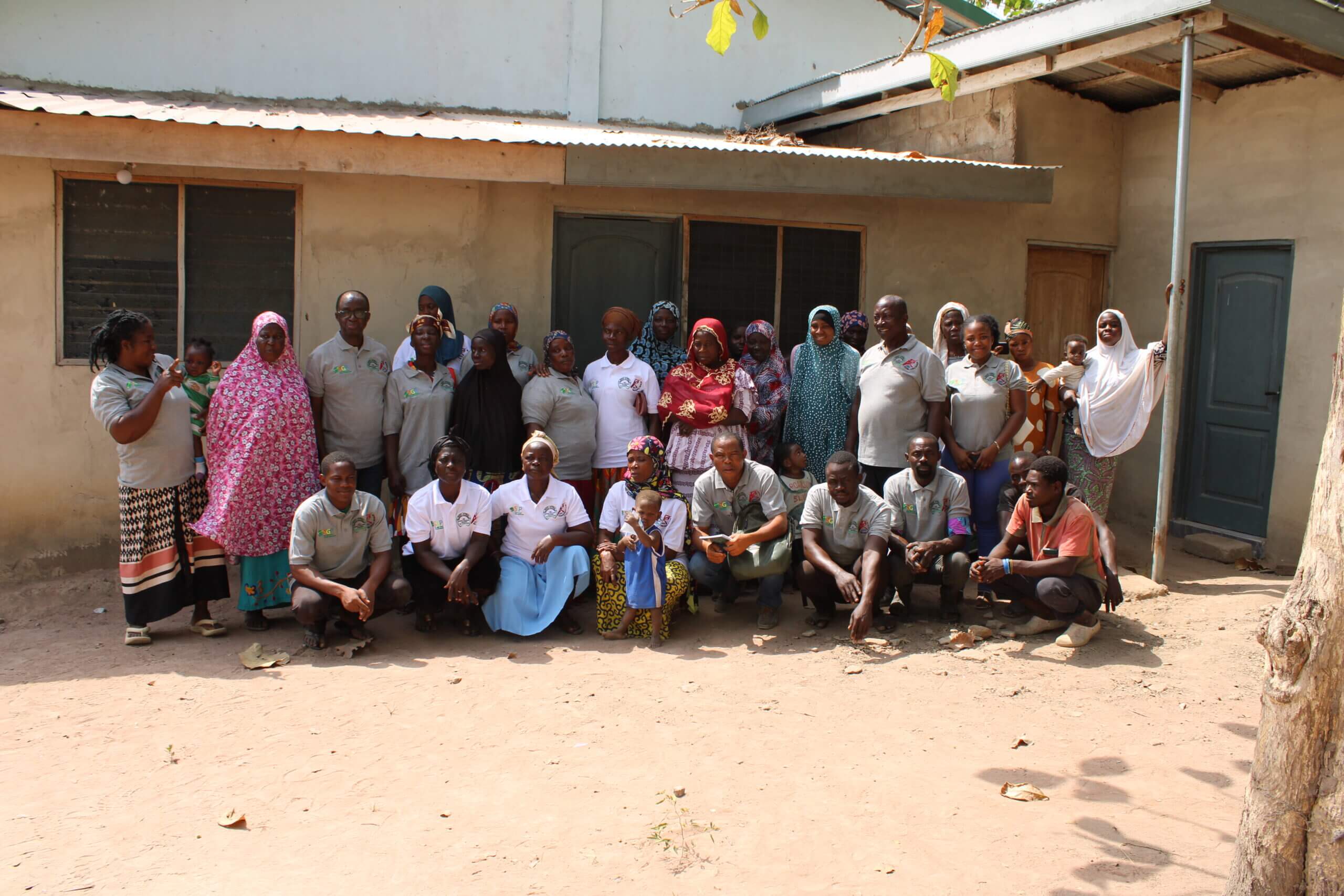
Twenty traditional health practitioners (THPs) were trained and supported to meet the requirements for certification by the Food and Drugs Authority (FDA). This capacity-building effort has enhanced their ability to sustainably manage medicinal herbs, process them according to FDA standards, and package and label their products for marketing.
Livelihood Support for Smallholder Women Farmers
One hundred smallholder women farmers received livelihood support through enterprises such as beekeeping, small ruminant rearing, and piggery. A Village Savings and Loans Scheme (VSLS) was also established to help strengthen their financial resilience. Climate-smart practices were introduced to improve productivity and promote long-term food security.
Lessons Learned
- Community Involvement: Engaging local communities, including traditional leaders,
- Strong community involvement supports sustainable conservation outcomes and encourages long-term stewardship of sacred sites.
- Integrating traditional ecological knowledge with modern conservation methods improves biodiversity management.
- Alternative livelihood opportunities help reduce pressure on natural resources and promote sustainable land use.
- Building the capacity of traditional health practitioners (THPs) and farmers enhances resource management and economic resilience.
Beneficiary Communities
- Ve Golokwati
- Govife Todzi
- Ve Wodome
- Ve Gbodome
- Tafi Mador
- Tafi Atome
- Ve Deme